
Matthew Mincone | February 20, 2026 | Motorcycle Accidents
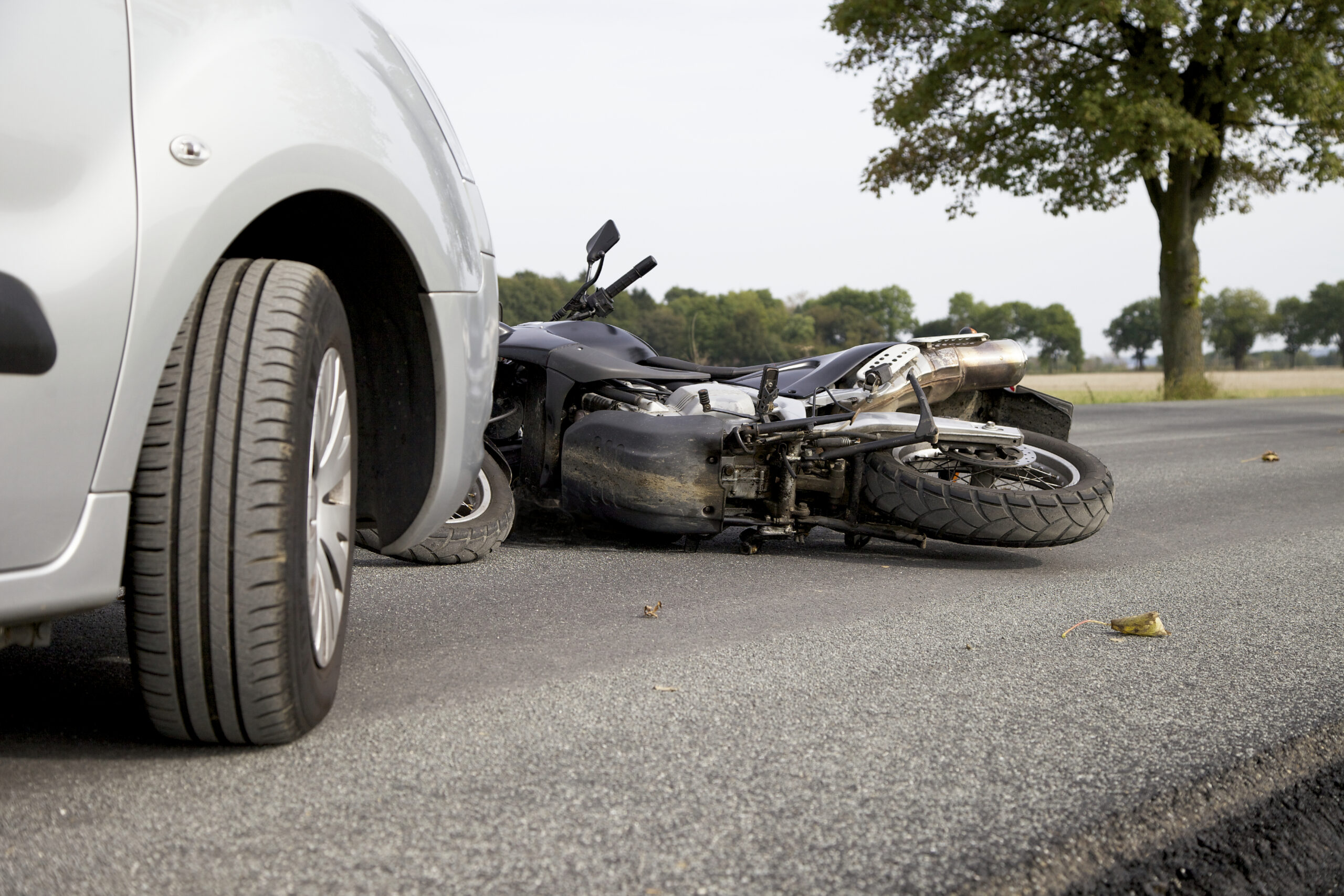
Many riders wonder whether city streets or highways pose greater risks. The answer depends on multiple factors, including traffic patterns, speed limits, and road conditions. Understanding these differences helps motorcyclists make informed decisions about their routes and safety strategies.
Understanding the Statistics
Motorcycle riding carries inherent risks regardless of location. According to the National Highway Traffic Safety Administration, motorcyclists were about 28 times more likely than passenger car occupants to die in a motor vehicle crash in 2023. This sobering statistic applies to all riding environments.
NHTSA data reveal that 67% of motorcycle fatalities occurred in urban areas compared to 33% in rural areas. Urban riding typically involves city streets with lower speed limits but more traffic complexity. These numbers suggest that street riding presents significant challenges despite slower speeds.
Street Riding Hazards
City streets create unique dangers for motorcyclists. Intersections pose the greatest threat in urban environments. Drivers making left turns often fail to see approaching motorcycles.
Street riding involves constant hazards that demand attention:
- Frequent stops and starts: Traffic lights and stop signs require repeated acceleration and braking, testing rider control.
- Distracted drivers: Urban drivers juggle navigation, parking searches, and pedestrian awareness, often overlooking motorcycles.
- Road obstacles: Potholes, debris, manhole covers, and uneven pavement appear more frequently on city streets.
- Parked cars: Drivers opening doors without checking mirrors create sudden obstacles.
These hazards exist in concentrated areas where multiple threats can appear simultaneously.
Highway Riding Risks
Highways eliminate some urban hazards but introduce different dangers.
Highway riding presents its own set of challenges:
- Speed differential: Motorcycles traveling at highway speeds remain vulnerable to vehicles merging or changing lanes without warning.
- Limited escape routes: Concrete barriers and guardrails reduce options for emergency maneuvers.
- Wind and weather exposure: High speeds amplify the effects of crosswinds, making bike control more difficult.
- Driver fatigue: Long highway stretches can lead to reduced alertness in both motorcyclists and other drivers.
Highway crashes tend to be more severe due to impact speeds. While they may occur less frequently than urban crashes, the outcomes are often catastrophic. The kinetic energy involved at highway speeds overwhelms protective gear.
Intersection Dangers Across All Settings
Intersections remain the most dangerous locations for motorcyclists, whether on streets or highways. Motorcycles occupy less visual space than cars. Drivers scanning for vehicles may genuinely not register a motorcycle’s presence.
This “looked but failed to see” phenomenon occurs at both urban intersections and highway on-ramps.
Factors That Increase Risk in Both Environments
Some dangers affect motorcyclists no matter where they ride — whether on city streets or highways.
- Weather conditions: Rain reduces traction and visibility, wet pavement increases stopping distances, and strong winds can push motorcycles across lanes or toward parked cars.
- Time of day: Night riding limits visibility for riders and other drivers, while dawn and dusk create glare and shifting light conditions that make hazards harder to see.
- Rider experience and training: Inexperienced riders face higher risks everywhere, while proper training improves reaction time, emergency handling, and overall safety in any environment.
By recognizing these universal risk factors, motorcyclists can make safer decisions regardless of where they ride.
Reducing Risk Wherever You Ride
No matter where you ride, taking consistent safety precautions can significantly lower your risk of a motorcycle accident.
- Wear proper protective gear: Always use a DOT-compliant helmet and choose bright or reflective clothing to improve visibility.
- Maintain your motorcycle: Regularly inspect tires, brakes, and lights to ensure your bike is in safe working condition.
- Stay visible and aware: Ride with your headlight on, position yourself where drivers can see you, avoid blind spots, and assume other motorists may not notice you.
- Improve your skills: Take a motorcycle safety course, refresh your training periodically, and practice emergency maneuvers in controlled environments.
By committing to these safety habits, riders can better protect themselves wherever the road takes them.
Contact a Tampa Motorcycle Accident Lawyer at Mincone Personal Injury Lawyers for a Free Consultation
So, is it safer to ride a motorcycle on city streets or the highway? The truth is that both environments carry serious — but different — risks. City streets present more intersections, traffic congestion, and unpredictable driver behavior, while highways involve higher speeds and often more severe crash outcomes.
If you or a loved one has been injured in a motorcycle crash, the experienced team at Mincone Personal Injury Lawyers is here to help. Contact our Tampa motorcycle accident attorneys today at (813) 800-0810 for a free consultation to discuss your rights and learn how we can fight for the compensation you deserve.
Visit Our Personal Injury Law Office in Tampa, FL
Mincone Personal Injury Lawyers Tampa
1925 E 6th Ave Unit 10
Tampa, FL 33605
Phone: (813) 800-0810
Hours: 24/7
Our firm is located near you. We have an office in Tampa, FL.
Find us with our GeoCoordinates: 27.9593512,-82.4394928
About The Author
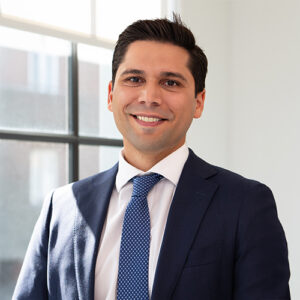
Attorney Matthew Mincone is the founder of Mincone Personal Injury Lawyers. He earned his law degree while attending night programs in New York and is licensed to practice in Florida. With over 15 years of legal experience, Matthew focuses on personal injury cases, including motor vehicle accidents involving cars, commercial trucks, and motorcycles. His commitment to personally handling each case ensures clients receive dedicated representation. Click here to view some of the remarkable case results that Matthew has successfully achieved.
Location: Tampa, FL
